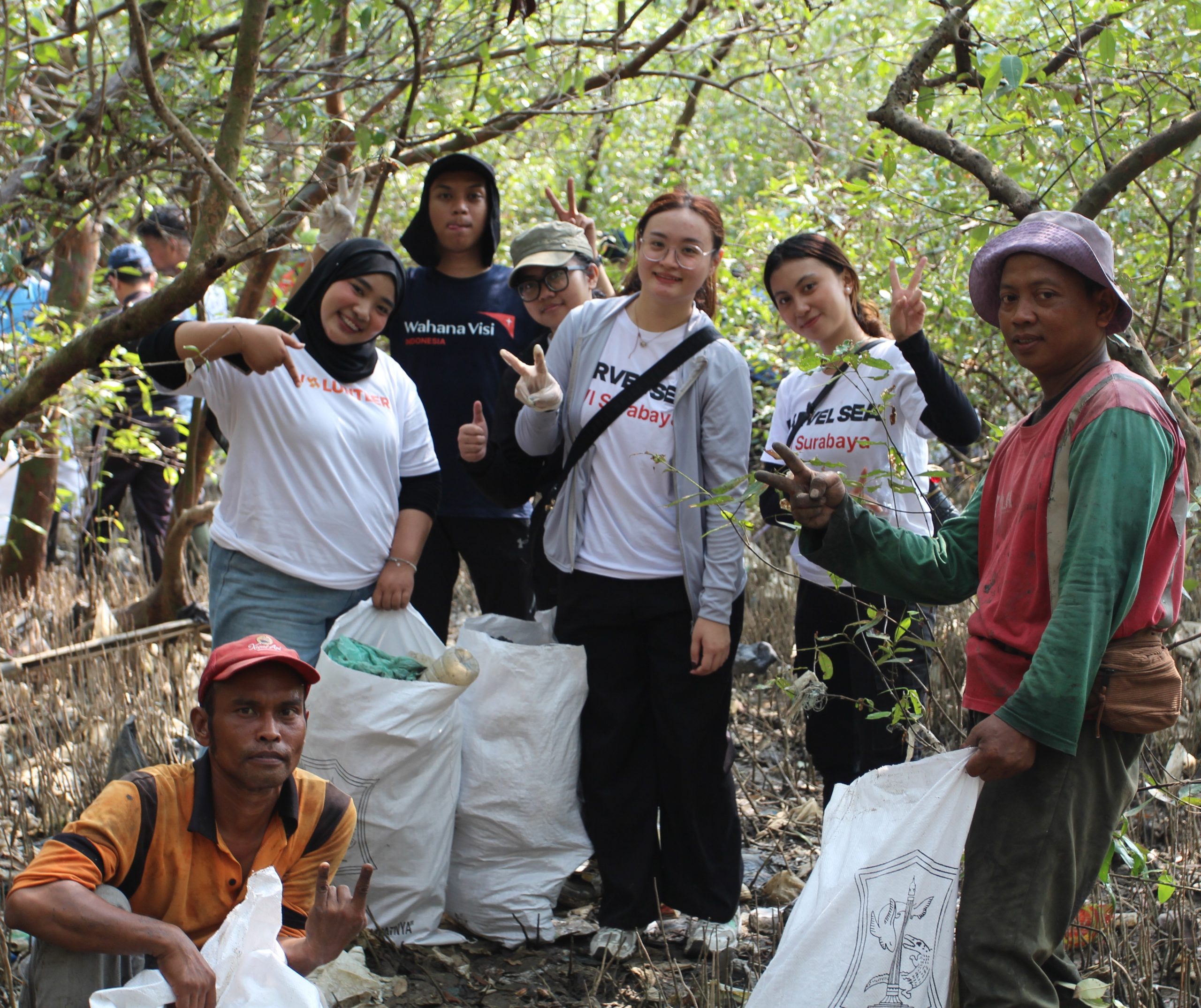
Geonation 2026, Concrete Action for the Earth: Green Synergy for the Surabaya Coast
In recent months, Indonesia has once again faced alarming climate and environmental crises. Forest and land fires (Karhutla) have spread across various parts of the country, with a surge to 1,350 hotspots. Central Kalimantan has been the hardest-hit region, while Sumatra, West Java, East Java, and even Papua have experienced similar situations, meaning other regions are also feeling the impact. Thick plumes of smoke and deteriorating air quality not only threaten the health of local communities but have also sparked international concern.

In response to this emergency, our commitment to caring for the Earth must go beyond mere concern. Guided by the profound reminder that “There Is Only One Earth”—our shared home that must be protected—Wahana Visi Indonesia (WVI), the Pondok Kasih Foundation, and students from the Geomatics Program at the Sepuluh Nopember Institute of Technology (ITS) decided to join forces and take concrete action.

This concrete step was realized through an environmental initiative titled “Geonation 2026: Green Synergy for the Surabaya Coast,” guided by the spirit of “Real Action for the Earth.” Held at the Wonorejo Mangrove Forest Ecotourism Area in Surabaya, the event took place on Saturday, October 24, 2026.

From early morning, positive energy radiated from the more than 150 participants in attendance, fueling their passion for conservation. Driven by a shared enthusiasm, the participants divided into two working groups on-site. The first group focused on planting new mangrove seedlings to strengthen the coastal barrier and restore the estuary ecosystem. Meanwhile, the second group combed the surrounding area to collect and remove trash that threatens the growth of coastal vegetation.

This cross-sectoral initiative and collaboration received high praise and full support from the Surabaya City Environmental Agency (DLH). More than just a planting and cleanup effort, Geonation 2026 serves as proof that synergy between academics, social organizations, and the government can yield tangible actions to restore a healthier, more sustainable, and beneficial mangrove environment for the future.



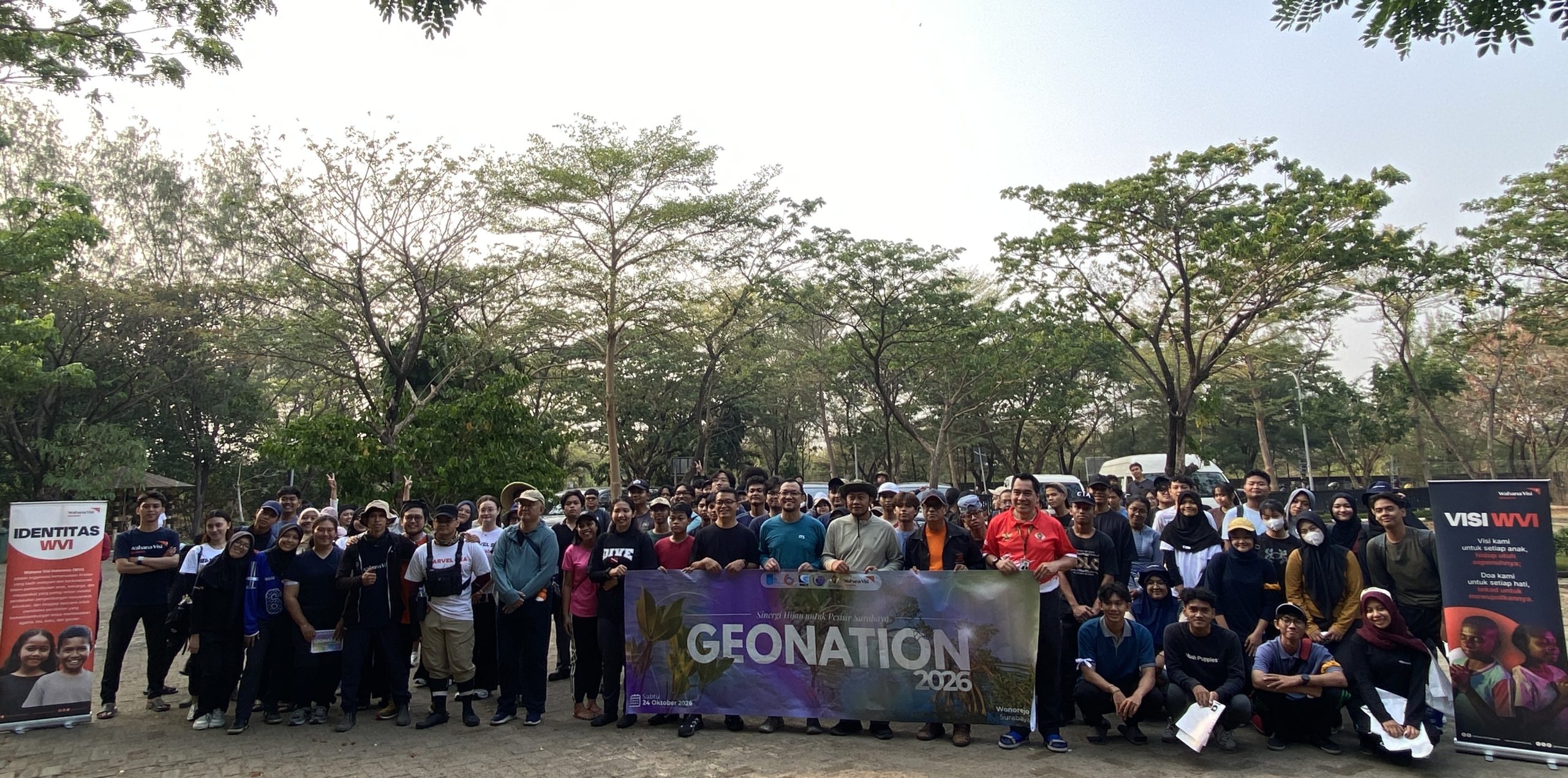 In response to this emergency, our commitment to caring for the Earth must go beyond mere concern. Guided by the profound reminder that “There Is Only One Earth”—our shared home that must be protected—Wahana Visi Indonesia (WVI), the Pondok Kasih Foundation, and students from the Geomatics Program at the Sepuluh Nopember Institute of Technology (ITS) decided to join forces and take concrete action.
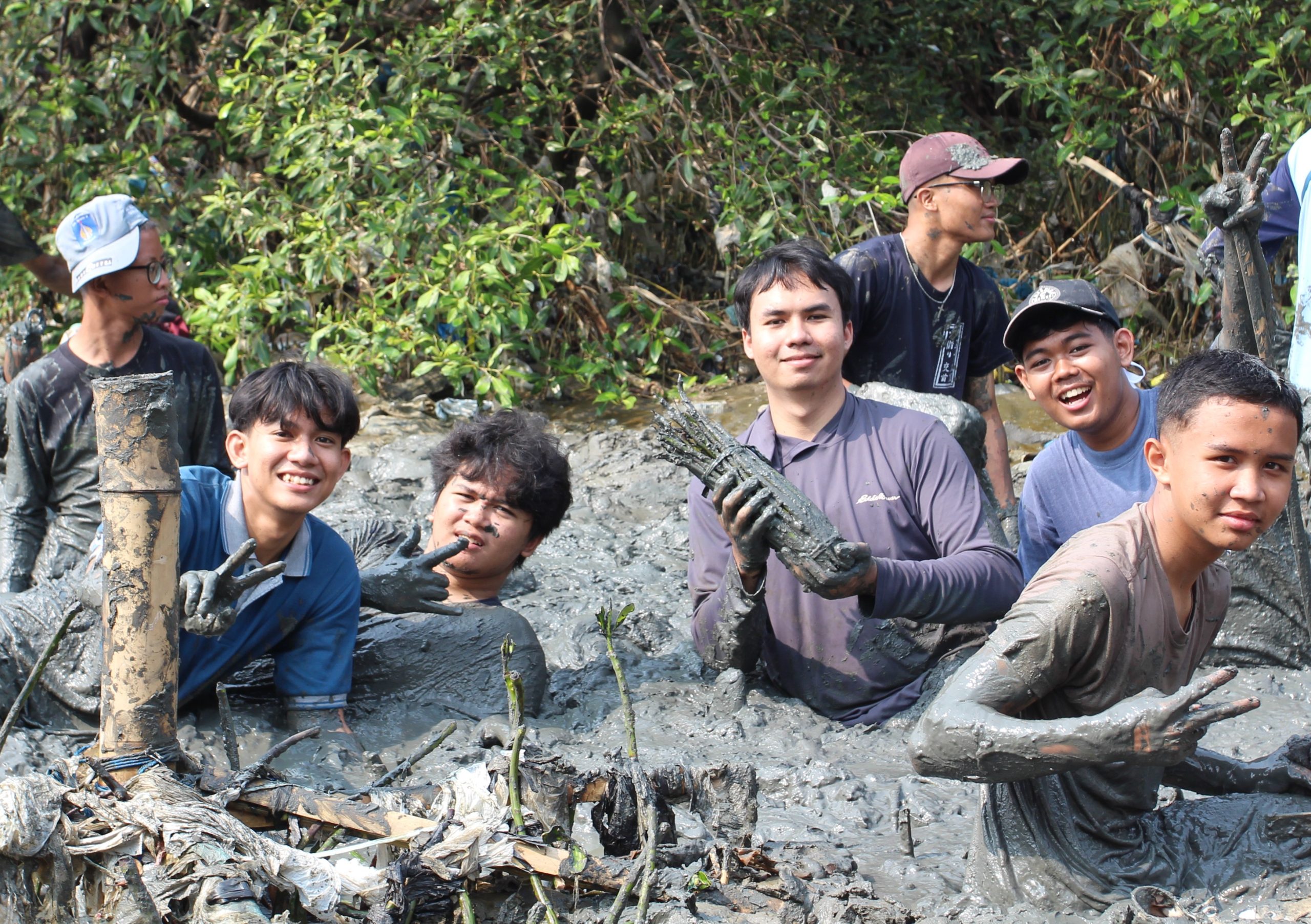 This concrete step was realized through an environmental initiative titled “Geonation 2026: Green Synergy for the Surabaya Coast,” guided by the spirit of “Real Action for the Earth.” Held at the Wonorejo Mangrove Forest Ecotourism Area in Surabaya, the event took place on Saturday, October 24, 2026.
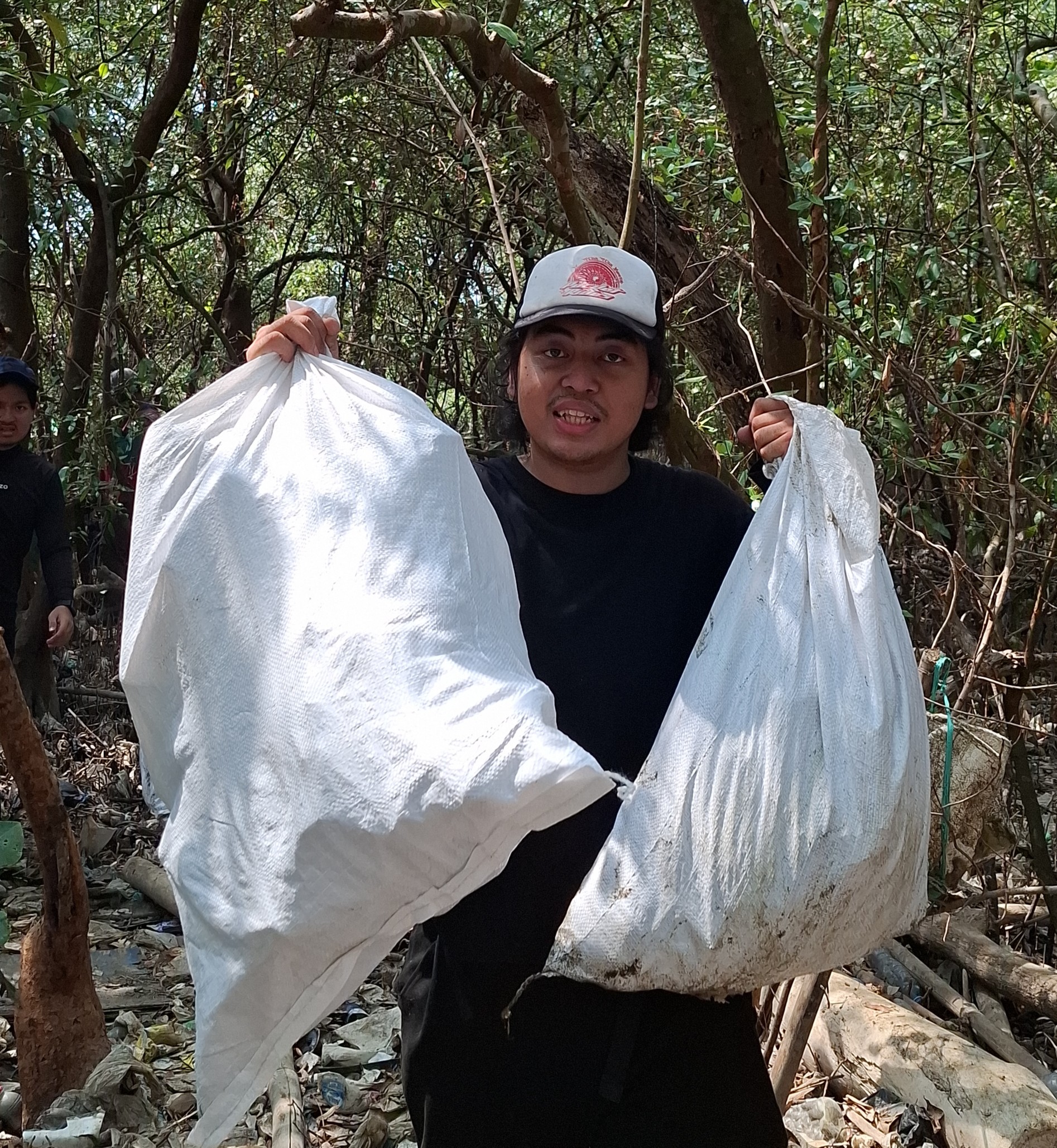 From early morning, positive energy radiated from the more than 150 participants in attendance, fueling their passion for conservation. Driven by a shared enthusiasm, the participants divided into two working groups on-site. The first group focused on planting new mangrove seedlings to strengthen the coastal barrier and restore the estuary ecosystem. Meanwhile, the second group combed the surrounding area to collect and remove trash that threatens the growth of coastal vegetation.
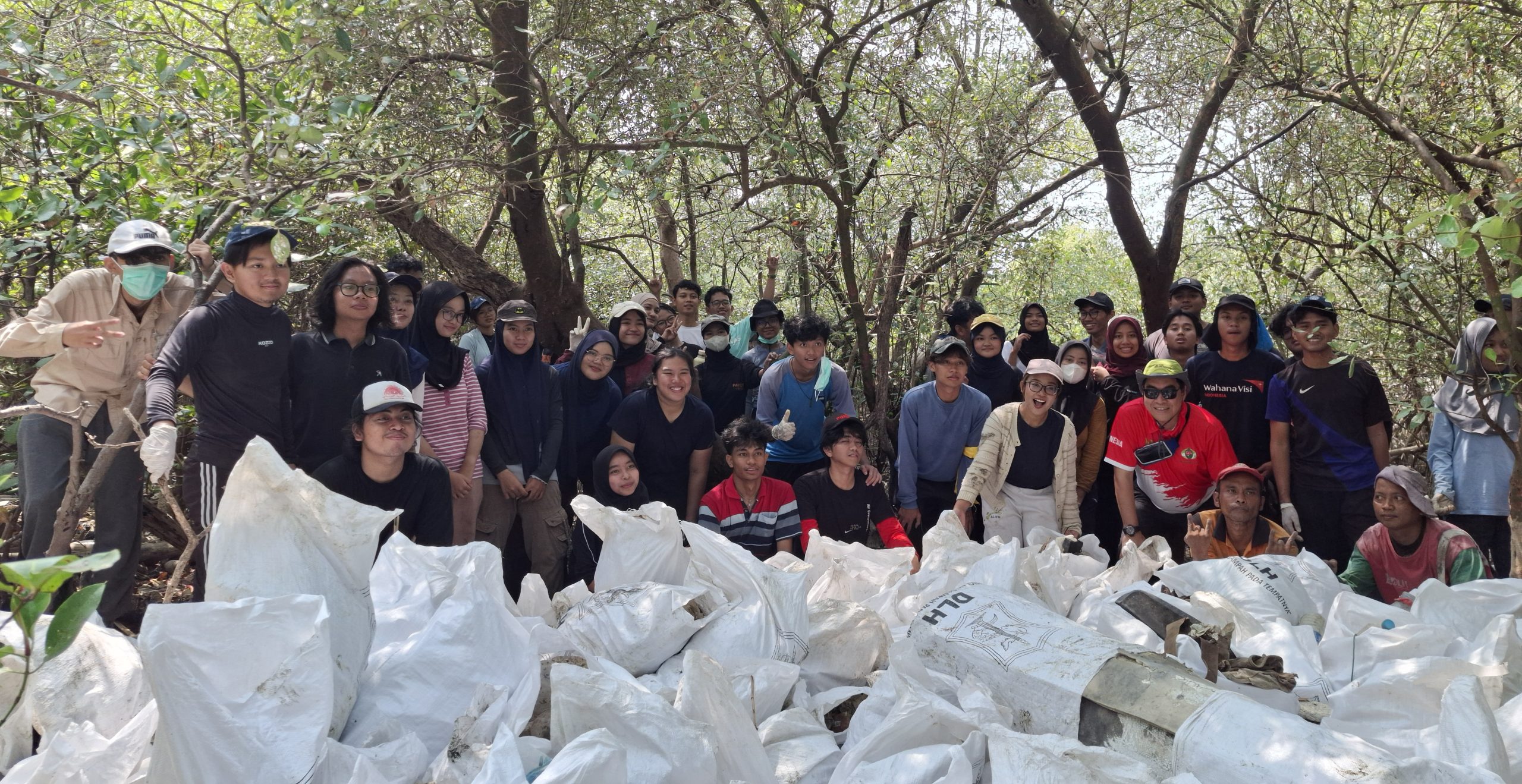 This cross-sectoral initiative and collaboration received high praise and full support from the Surabaya City Environmental Agency (DLH). More than just a planting and cleanup effort, Geonation 2026 serves as proof that synergy between academics, social organizations, and the government can yield tangible actions to restore a healthier, more sustainable, and beneficial mangrove environment for the future.